Labor is tight, safety standards are increasing, and every dollar spent on equipment needs to deliver measurable value. While most businesses carefully track inventory, orders, and shipping performance, many still operate their forklift fleets with limited visibility into how trucks are being used. Without that visibility, hours are lost and money is wasted. Fleet management technology is catching on, but slowly. According to Modern Materials Handling's 2026 Lift Truck User Survey, 49% of organizations have adopted it, up from 40% in 2024. Forklift telematics is how the rest close the gap
What Is Forklift Telematics?
Forklift telematics is a system that collects data from lift trucks and sends it to software you can access from anywhere. It's the foundation of modern forklift fleet management. Sensors and onboard devices track information such as: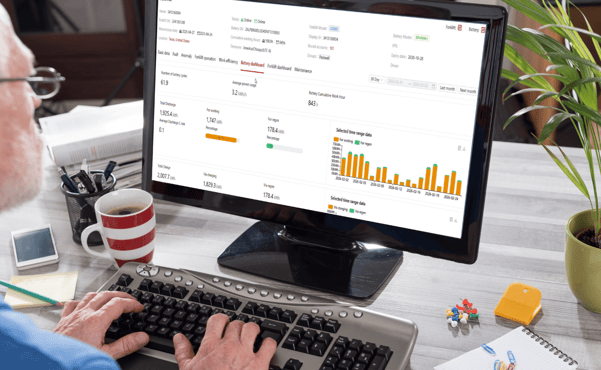
- Operating hours
- Equipment utilization
- Battery health and charging activity
- Impact events and collisions
- Maintenance status
- Operator access and usage
- Trucks that are rarely used
- Trucks operating at maximum capacity
- Peak usage periods
- Equipment shortages during certain shifts
- Opportunities to redeploy assets
- Fleet expansion or reduction
- Maintenance scheduling
- Safety initiatives
- Operator training
- Equipment replacement
- Energy management
This data is then presented through dashboards and reports that help managers understand exactly how their fleet is performing.
Big Joe Pulse, for example, gives fleet managers real-time data on usage, maintenance needs, and efficiency across one site or many. Think of it as a heartbeat monitor for your fleet.
What Are the Benefits of Forklift Telematics?
Many fleets operate with hidden inefficiencies. A truck that looks busy all day may only be working a fraction of the shift. Another truck may be overloaded with work, creating unnecessary wear and increasing maintenance costs. Operators may unknowingly develop unsafe habits, while maintenance issues often go unnoticed until a breakdown occurs.
Without data, these issues are difficult to spot.
Telematics shows you where the problems are.
Improve Forklift Safety Through Accountability
Safety is one of the biggest advantages of forklift telematics.
Some modern systems can restrict access to authorized operators, confirm the pre-shift inspection OSHA requires is completed, and document impacts or collisions as they occur. When an impact event is detected, management can receive an immediate alert and investigate before small incidents become larger problems.
Telematics also helps identify trends. If certain trucks, shifts, or areas of the warehouse experience frequent impacts, managers can take corrective action through training, facility improvements, or process changes.
The result is a safer workplace and greater accountability across the operation.
Reduce Maintenance Costs and Downtime
Unexpected forklift downtime can be expensive. A single truck taken out of service can slow productivity, create bottlenecks, and force managers to rent replacement equipment.
Telematics helps prevent these problems by putting forklift preventive maintenance on a data-driven schedule. It's also the most common reason fleets adopt the technology. In the same MMH survey, 80% of organizations using or planning fleet management technology track maintenance history.
By tracking operating hours and equipment health, the system can notify teams when service is due before issues become critical. Maintenance can be scheduled during planned downtime rather than in response to emergency failures. Big Joe Pulse sorts fault codes by severity and links each one to step-by-step repair guides, so techs fix it right the first time.
This approach helps extend equipment life, reduce repair costs, and keep trucks available when operators need them most.
Optimize Forklift Fleet Size and Utilization
One of the most common surprises telematics reveals is that many fleets are either over-equipped or under-equipped.
When utilization data becomes available, managers can quickly identify:
Instead of purchasing additional forklifts based on assumptions, fleet managers can make decisions based on actual usage data.
This often leads to lower capital expenditures and a better return on fleet investments.
Maximize Electric Forklift Battery Performance
For electric forklift fleets, battery management is critical.
Telematics can provide visibility into charging behavior, battery health, energy consumption, and charging opportunities. Managers can spot trucks sitting idle without plugging in and correct the habit through training.
For operations moving from propane or diesel to electric forklifts, this visibility helps size the switch with real usage numbers and protects the battery investment. Want a starting point? Estimate your savings when switching to electric with our ROI calculator.
As more warehouses adopt lithium-ion equipment, integrated telematics becomes an important tool for keeping trucks charged and ready for the next shift.
Make Fleet Management Decisions with Real Data
Forklift telematics gives warehouse leaders the information needed to make informed decisions about:
For organizations operating multiple facilities, standardized telematics reporting also creates consistency and visibility across locations.
Why Integrated Telematics Matters
Some systems are added as aftermarket devices that operate separately from the truck. While these solutions can provide useful data, integrated telematics offers one connected system, cleaner data, and no add-on hardware to install or troubleshoot.
This is especially important for businesses investing in integrated lithium-ion equipment, where battery performance and uptime directly impact productivity.
With a purpose-built solution that connects the truck, battery, charger, and telematics platform, operators and managers gain a more complete picture of fleet performance. Big Joe Pulse is built into every Big Joe Class 1 integrated lithium-ion forklift with 5 years of coverage standard. No add-on box, no extra install.
The Bottom Line
Whether you're managing five trucks or five hundred, telematics turns forklift data into fewer surprises, safer shifts, and a fleet sized to the work. Fleets already using it agree. In MMH's survey, 60% of organizations rated their fleet management technology very or extremely successful. It pays off when the data changes what happens on the floor. That's what empowering the people who move things looks like.